There’s a lot to like in the president’s plan that he announced today, but there is a lot that falls short, too. Certainly on the most important measure, reducing coal-burning plant emissions, the president is a day late and a dollar short. The lack of specificity on the standard eventually to be issued makes it impossible to know how far reaching it will be.
But Texas shows how it can be done! See below.
Catastrophic climate change poses a near-existential threat to humanity. We need a national mobilization — and indeed a worldwide mobilization – to transform rapidly from our fossil fuel-reliant past and present to a clean energy future. We need a sense of urgency – indeed, emergency – with massive investments, tough and specific standards and binding rules which are missing from the president’s plan.
The administration is finally using the authority ratified by a conservative Supreme Court to regulate greenhouse gas emissions under the Clean Air Act. The Administration will re-write rules for new plants and develop rules for all existing power plants. This is the most important tool the Administration has, and if the rules are written the way they should be, it will go a long way towards protecting consumers and our climate. This initiative builds on the successful and strong automobile tailpipe standards that have already been successfully rolled out. The downside is that the late 2015 final rule date is far off in the future, and will likely see lengthy legal challenges.
The plan also, helpfully, builds on existing programs and plucks some low-hanging fruit to reduce carbon emissions: Increasing renewable targets and efficiency on federal land, in the federal government’s operations, in the Pentagon, and in federally-assisted housing.
The Administration set the table recently by increasing the estimated cost of greenhouse gas (GHG) emissions to society, from $23.80/ton to $38.
Targeting oil industry subsidies, as the Administration proposes here, is also commonsense, and much needed policy.
However, there is no mention in the plan of using a uniform, strong climate change impact assessment under the National Environmental Policy Act, which would require the costs and impacts of GHG in every federal environmental impact statement. The failure to utilize NEPA for GHG assessment is a huge oversight.
Reserving the troubled loan guarantee program for “clean coal” is a taxpayer boondoggle waiting to happen. A case in point is the Obama-backed Kemper IGCC coal plant owned by Southern Co, which has seen costs balloon from $2.4 billion to $4.2 billion, with costs still rising further.
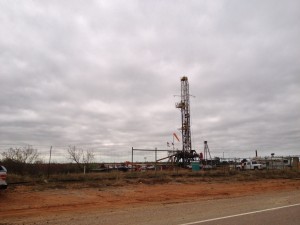
In general, the President’s embrace of an “all of the above” strategy, including oil and gas expansion, is a disaster. His focus on fossil fuel exports — including the explicit promotion of LNG (liquefied natural gas) and his failure to curtail coal exports – threatens to undo any positive elements of the plan. By promoting LNG, the Administration is moving full-speed-ahead on fracking – with no mention of how to control fugitive emissions, water contamination and other environmental problems posed by the controversial process. And while the proposed EPA rules over existing and new coal power plants will result in significant GHG reductions here at home, all of that will be negated (and more) if we ramp up our coal exports to China. Using NEPA and other statutes to ensure that the emissions of coal exports – and the fugitive emissions of fracked gas – are included in the environmental impact study (EIS) for export projects is essential.
The same goes for Keystone XL. Awaiting approval by the State Dept, the Keystone XL pipeline’s EIS is fatally flawed. The Administration has a chance to re-write the EIS to take into account the true GHG impact of the tar sands, which would require this gas-price boosting project to be rejected. And Obama’s welcome announcement on KXL won’t affect the southern segment of the line being built from Oklahoma to Houston, nor will it stop the conversion of existing pipelines to carry tar sands. These are the back door ways that tar sands and its carbon pollution will leak into the international markets
At the end of the day, it would be helpful if the Administration would lend its support to an existing climate bill – the Climate Protection Act of 2013. This legislation places a price on carbon, sending revenues back to families and into investments for a sustainable energy economy (not to mention regulating fracking and repealing oil industry subsidies).
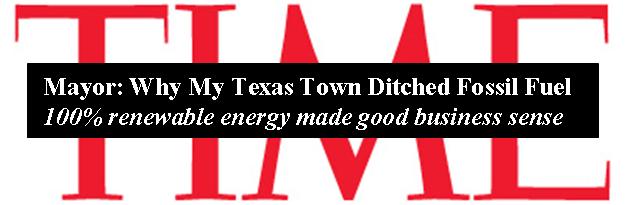
“Texas Shows How It Can Be Done”
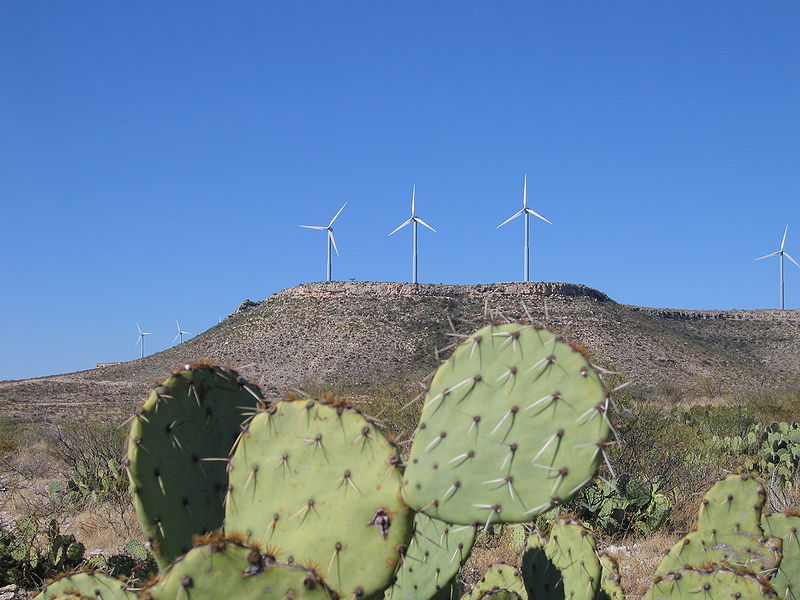
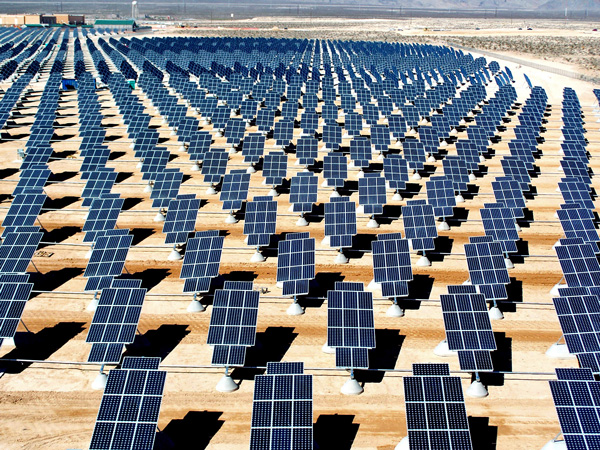
The good news is that the solutions to global warming from the energy sector are within reach — and Texas shows how it can be done. We can power our state with renewable energy, energy efficiency demand side management and energy storage technologies and techniques that exist or are being developed right now.
“Here’s what Texas has shown in recent years:
- In 1999 Texas adopted renewable energy goals – partially to reduce global warming. Now Texas leads the nation in production of wind energy, which is now so cheap that it is reducing consumers bills;
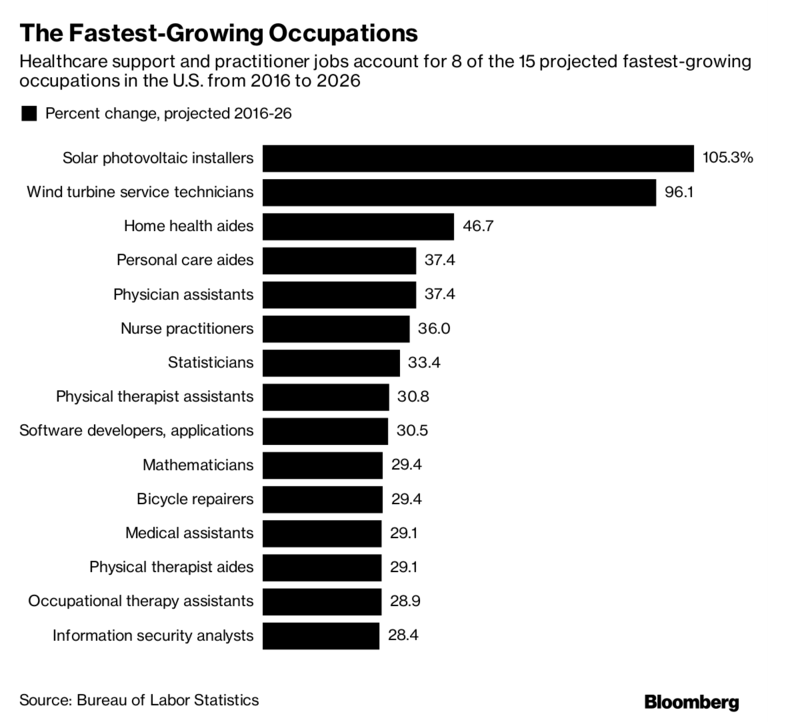
- Renewable energy is now employing more people than coal plants and coal mines are in Texas;
- If we were to develop more solar and geothermal, and employ energy storage, we could meet our energy needs around the clock without relying on coal;
- With the combination of those tools we could phase out and shut down our 22 climate killing coal plants;
- Adopting building energy codes has reduced statewide carbon emissions by as much a coal plant would produce.”
Read Full Post »


 1. Climate Change: I’m not going to try to convince anyone reading this that our planet’s climate is changing and that humans are largely responsible for that change. Nor am I going to try to convince you that those changes are going to be largely detrimental to human prosperity. But if you already recognize those two basic truths, then you will definitely want to listen up. Austin Energy is proposing to not only run Austin’s portion of the Fayette coal plant until 2025, but also to dramatically increase its use of natural gas by adding a new 800 megawatt gas plant to its energy portfolio. That’s bigger than Austin’s portion of Fayette. And although natural gas emits less carbon dioxide per kilowatt hour of energy production than burning coal, once the substantial impact of the